We gathered some information about the different festivals you will see in Cavite. Let’s see how beautiful the festivals in Cavite.
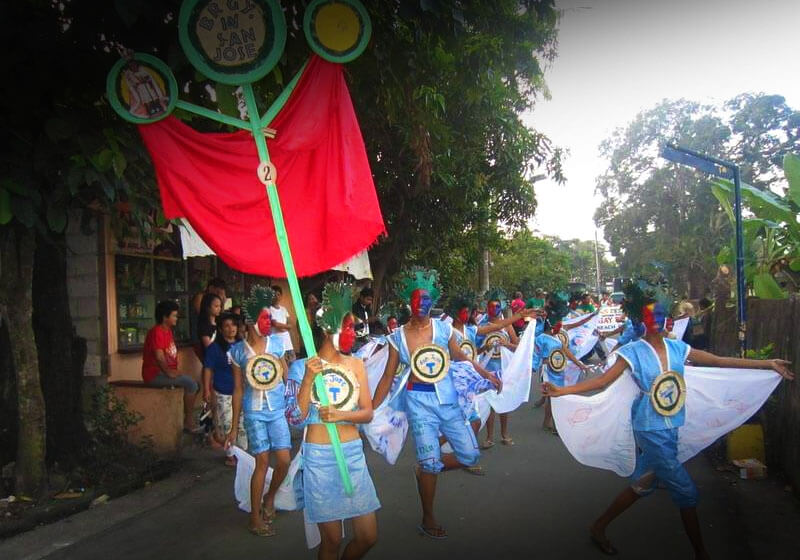
MARDICAS FESTIVAL
In celebration of Ternate, Cavites Foundation Day and town fiesta, the Ternate Historical Society in cooperation with the Municipal Administration of Mayor Conrado Lindo, organized the grandest Mardicas Festival yet, which will be held until Jan. 6.
The highlight of the said Festival is a competition depicting the war dance, which will be participated in by around 1,500 students of Ternate National High School (TNHS) under school principal Constancia Luclucan.
During the Mardicas Festival, a procession in honor of the image is simultaneously held with the war dance of the pirates. Participants carry with them a tabak in one hand and a balaraw on the other, fighting hard to save the image. That is how the Mardicas worshipped the Sto. Nino which, according to them, is worth dying for.
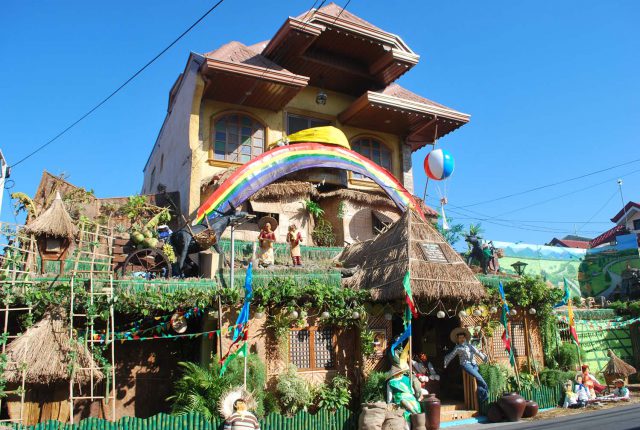
SORTEO FESTIVAL
CARMONA Sorteo Festival is a one-of-a-kind fiesta that is celebrated every three years. aA unique tradition that has paved the way for reinventing the heritage and culture of our town,a to quote the mayor of this diminutive town in Cavite, Dr. Dahlia A. Loyola.
What started as a simple lottery to create economic opportunity to farmers during the Spanish era, on Feb. 20, 1857 to be exact, is now a unique celebration for the townsfolk of Carmona, Cavite.
Carmona Sorteo Festival 2007 is toasting a tradition. It is the only celebration in the Philippines that is one of a kind.
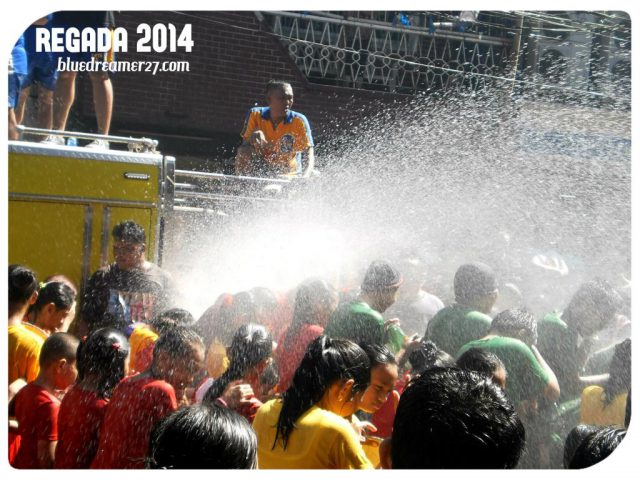
REGADA FESTIVAL
Cavite City’s party loving people are now on the midst of elaborate preparations for the Annual Cavite City Water Festival or popularly known as REGADA. The festival’s moniker was derived from the Spanish word “regar” which means to water or to sprinkle. Held every 17th to 24th of June since 1996, it is a week long celebration that is full of culture and plain old fun. Of course, the theme is water.
Also called the “Water Festival”, the festival is comprised of games, street dancing, photo exhibit, trade fair, concert and water splashing. The festival is done three days from June 22-24 done in celebration of St. John the Baptist.
Over the years, we have seen more people attend the event. Not only because of its festive mood, but also because of the ecological implication and spiritual bonding that the people have come to experience during the affair.
The event’s finale will coincide with the Feast of Saint John The Baptist on the 24th. One that day, the city’s main thorougfare will be rigged with sprinklers and mobile sound systems get everyone in wet party mood – THE TUGTUGAN SA PAULAN and THE BASAYAWAN SA KALYE. This is probably the biggest wet party and the only wet street dancing in the country today. A fitting climax to the yearly festival is THE CARACOL NI SAN JUAN BAUTISTA where in the patron saint is led out on a fluvial parade from the bay to the festival’s PAULAN to bless the people and for the Cavitenos to give thanks.
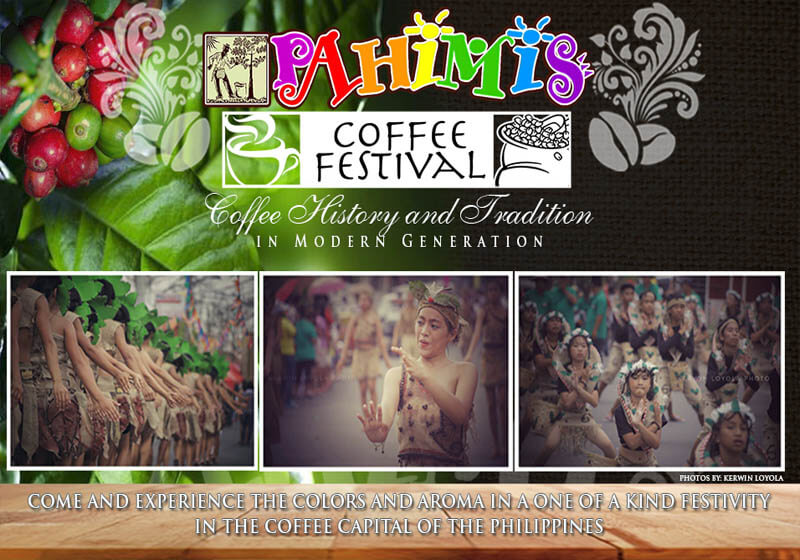
PAHIMIS FESTIVAL
PAHIMIS is the Amadeo word for “pasasalamat” (thanksgiving) in the olden times. As a tradition, coffee farmers gave away his last can of harvest as a sign of thanksgiving, believing that by doing so, luck and abundance would come on the next harvest season. An eat-together gathering with neighbors will serve as the Pahimis before the start of business venture or relatives and friends were sent part or harvest of food as Pahimis.
To give semblance to the tradition, a coffee festival named after this cultural practice will be held annually for thanksgiving and good luck. The yearly affair seeks to boost the Amadeo’s thriving coffee industry and to position the municipality as one of the promising havens of investment in terms of agri-business and eco-tourism.
The festival hopes to revive a good tradition of gratefulness for those who do good for themselves and their fellowmen.
How it started
From the seed to the brew…then… PAHIMIS!
With a vast 4508 hectares of its land planted to coffee, Amadeo has the largest land area devoted to coffee farming in the entire of upland Cavite – the biggest coffee producer in the province.
The decline of the coffee bean price in recent years, prompted the coffee farmers to cut coffee trees and consider other means of livelihood.
Governor Ayong Maliksi, through his economic recovery program, came to the rescue of the coffee farming towns suffering from the sad condition of the industry. The governor called up for support of all sectors, particularly the private sector, to help uplift the status of the farmers in the industry.
Likhang Kabitenyo Development Cooperative Foundation (LKDCF), Cavite Exporters Association and the Municipality of Amadeo responded to the call made by the governor. LKDCF devised strategies to raise the income of coffee farmers. While doing so, a unique festival was in the brew to make noise and to herald a new dawn in the coffee industry.
The Municipality of Amadeo headed by Mayor Albert “OJ” G. Ambagan was tasked to lead promotion of the coffee industry. The Provincial Coffee Development Board supported the move. The preparation of what could be the country’s biggest coffee thanksgiving tradition – The Pahimis 2002 – went in full swing.
A board was created by Mayor Ambagan to oversee the preparations Vice Mayor Elpidio Bawalan took charge of Internal Affairs. Mr.Richard Lumandas concentrated on the activities and correspondents, SB Rene TOngson worked on external affairs while AWCI school head Ms. Corazon Salcedo served as over all coordinator. Later on, the town fiesta activites merged with those of coffee festival, hence, Engr. Augusto Bebe, Jr. and Dr. Teodoro Garcia, of the annual patron feast, joined the board.
During the preparations, various concerns and programs about the coffee industry and the forthcoming coffee festival were in the news. These further motivated the people of Amadeo to do and give their best for the festival. It was bayanihan spirit all over in the midst of festive atmosphere.
Coffee Trade Fair, street dancing, beauty contest, art competitions, photography contest, community parades, concerts and series of symposia on farm management and organic farming filled the 2 day festivities with no less than Her Excellency Gloria Macapagal – Arroyo and other top leaders of the land and nearby cities and municipalities joining the grand toast to promote the country’s coffee industry.
The annual Pahimis Coffee Festival aims to promote Cavite coffee for domestic and worldwide consumption. The festival will try to revive farmers’ interest in coffee farming, enhance coffee yields, and attain a competitive coffee price in the world market.
The success of the very first Pahimis did not end there. At present, the initiative is taking its course in the industry and Amadeo has moved forward.
Pahimis is now a national phenomenon. It is being celebrated annually to enjoy, to behold, to retell, to anticipate on, and to continue calling on for support until its blend and aroma reach the global players in the industry and eventually hit the much coveted bull’s eye.
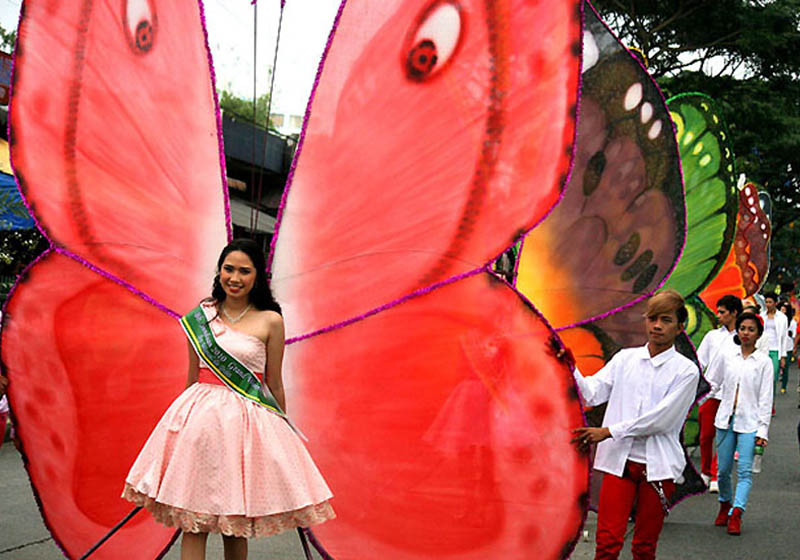
PARU-PARO FESTIVAL
This city is slated to observe its annual butterfly-inspired “Paru-Paro” festival on Nov. 26 with city folks and participants donning colorful butterfly costumes and revelry motifs.
Mayor Elpidio F. Barzaga Jr. is expected to lead city officials, students and multi-sectoral groups in the annual celebration of the city’s official festival, created by the virtue of City Council Resolution No. 069-s-2011 and Special Ordinance 02-s-2011 initiated by his predecessor, City Mayor Jennifer Austria Barzaga.
In an interview, City Administrator Aisa Sango said the festival reflects the city’s transformation from a former small village of Imus City and its separation as a full-fledged progressive city and Cavite’s “university center” and one of the province’s vital hubs dotted with various services, commerce, trade and industries.
Sango added that Sunday’s main highlight is the 3 p.m. grand parade participated in by city officials, sectors and the 36 groups of elementary and secondary school division contingents.
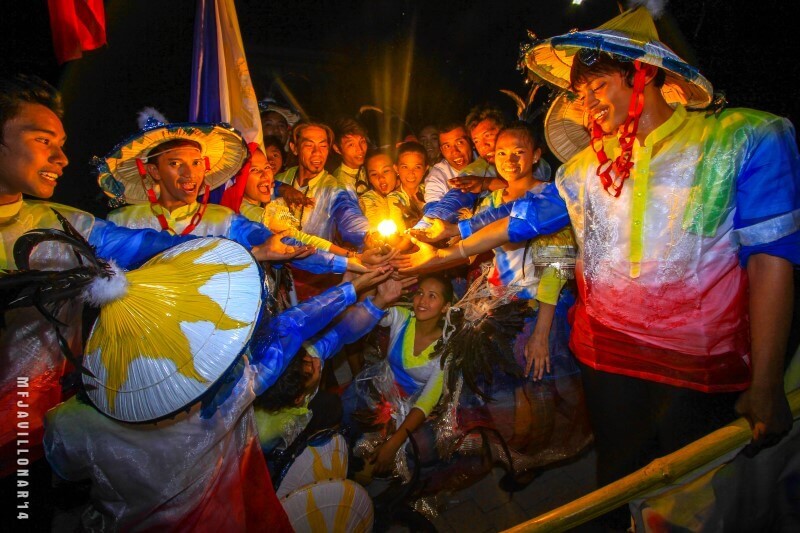
WAGAYWAY FESTIVAL
On the 29th of May, the display of Philippine flag is encouraged in every household during the festival, and simultaneous waving of flags in the streets of Cavite. Different activities such as exhibits, trade fair, product display are held
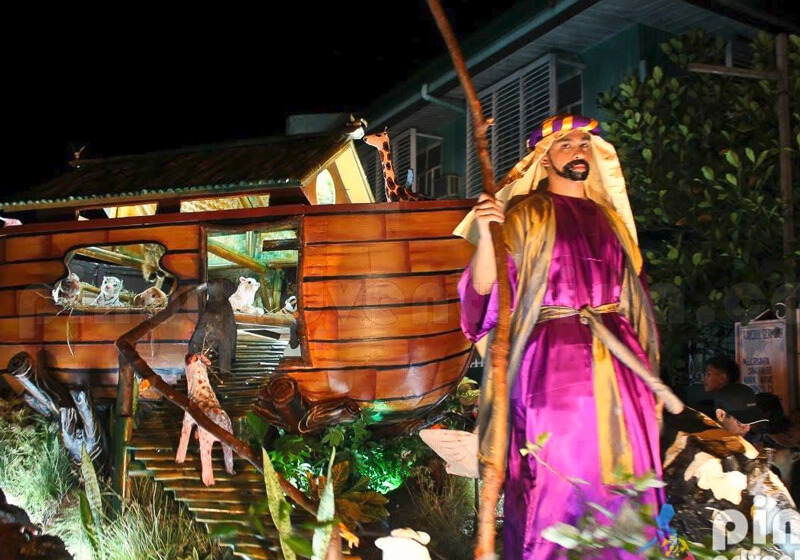
MAYTINIS FESTIVAL
Re-enactment of the birth of Christ every midnight of December 24. Held in Kawit, Cavite, all participants are in costumes and in beautifully adorned floats with the INA
and AMA as main sponsor.
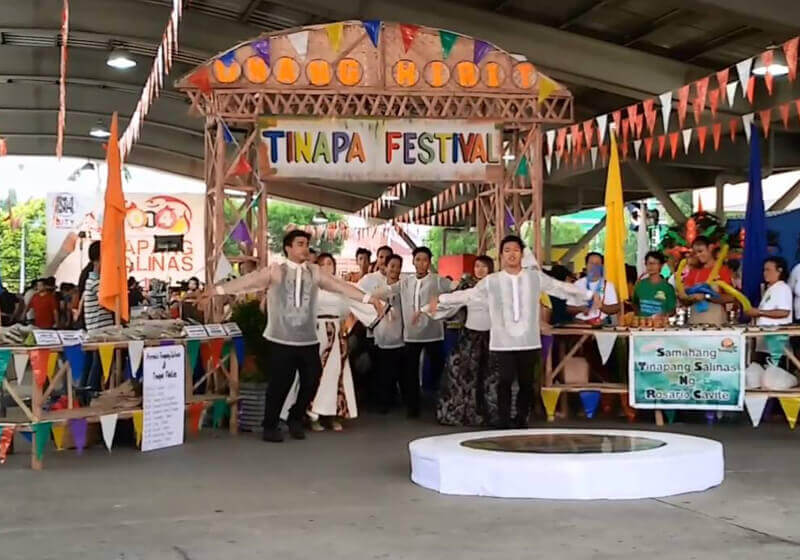
TINAPA FESTIVAL
The festival is celebrated in the town to promote and perpetuate the image of Rosario as the place where smoked fish called “Tinapang Salinas” originates. Celebrated every October (no definite date).
KAKANINDAYOG FESTIVAL
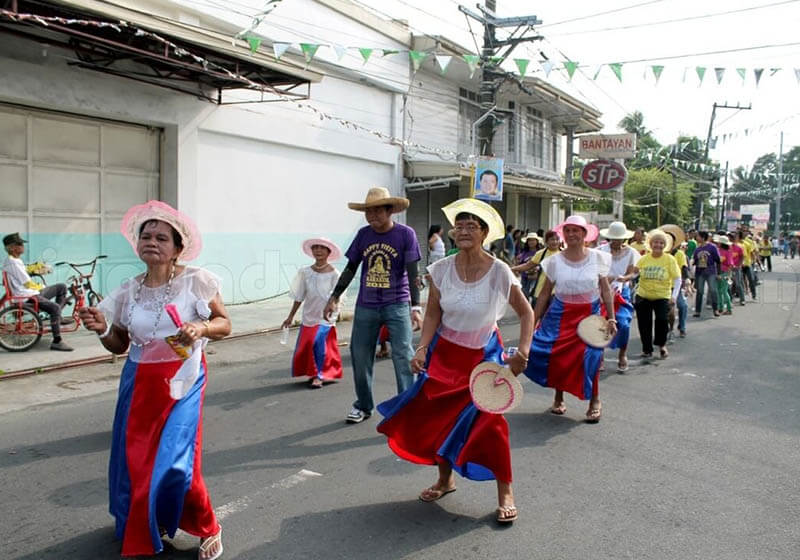
The festival is celebrated to promote the native kakanin and other delicacies which the city of Imus is well known for such as Puto Lunsong. Celebrated every month of October in honor of the city’s patroness Nuestra Señora del Pilar and the founding anniversary of the city through street dancing and the traditional “Karakol” procession.
KABUTE FESTIVAL
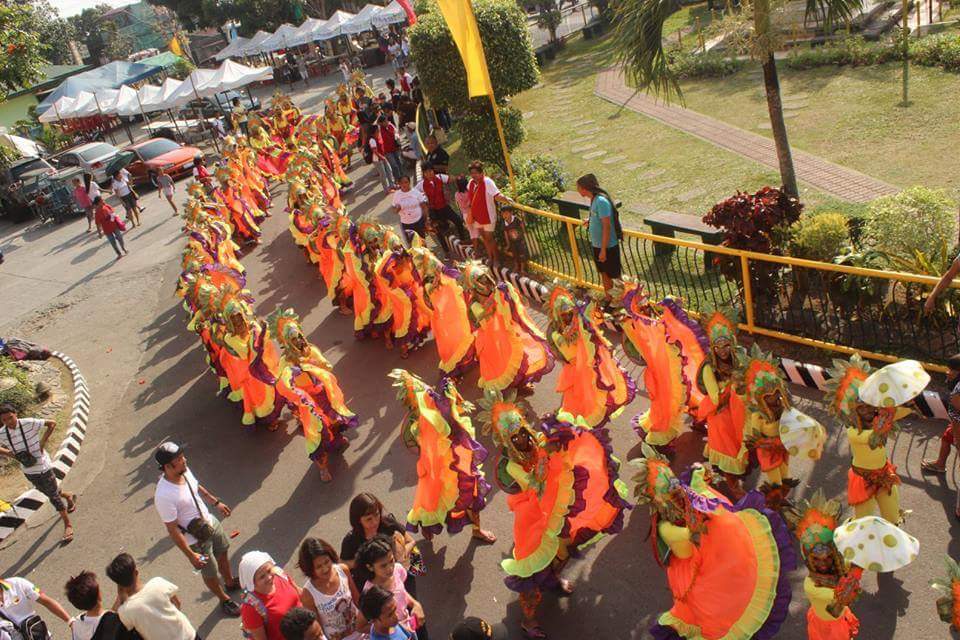
Kabutenyo festival is celebrated every 13th of March in General Mariano Alvarez. Kabutenyo came from the word Kabute which means “Mushroom” in english. The town is to be known as “The mushroom Capital of Cavite.” Various activities include street dancing, a trade fair and a culinary contest with mushroom as the main ingredient.


 Group1's Travel Blog